Seitenverzeichnis
 Site
map
Site
map
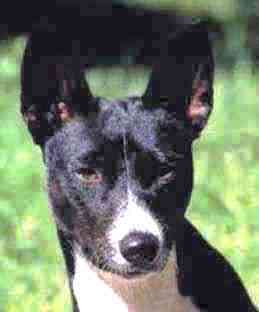
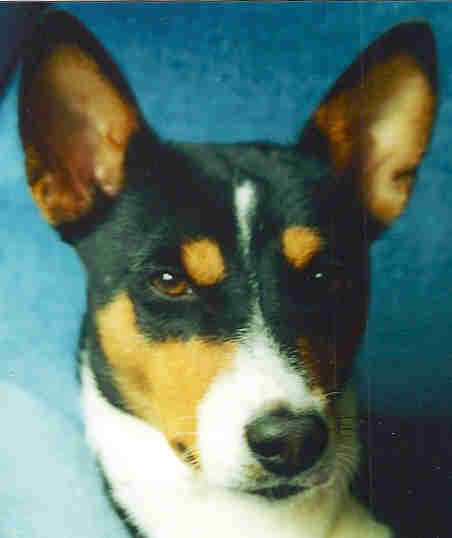
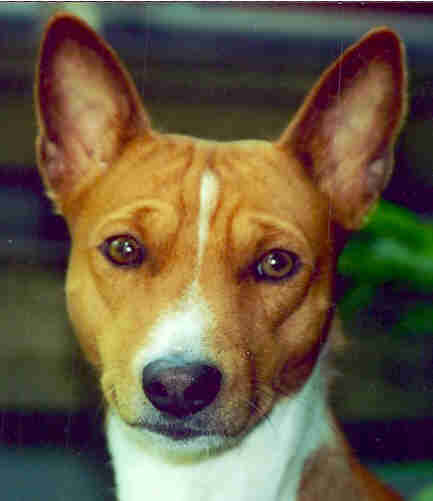
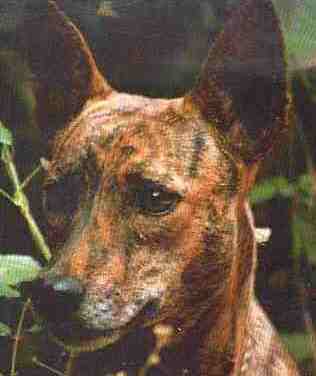
origin from africa
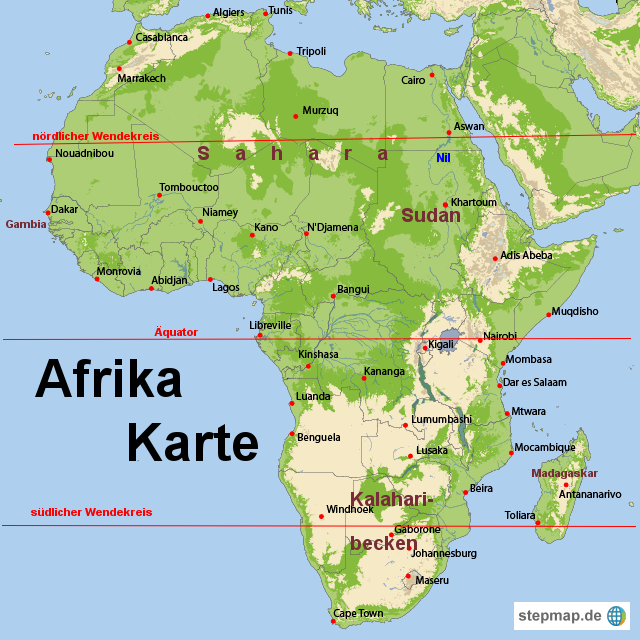
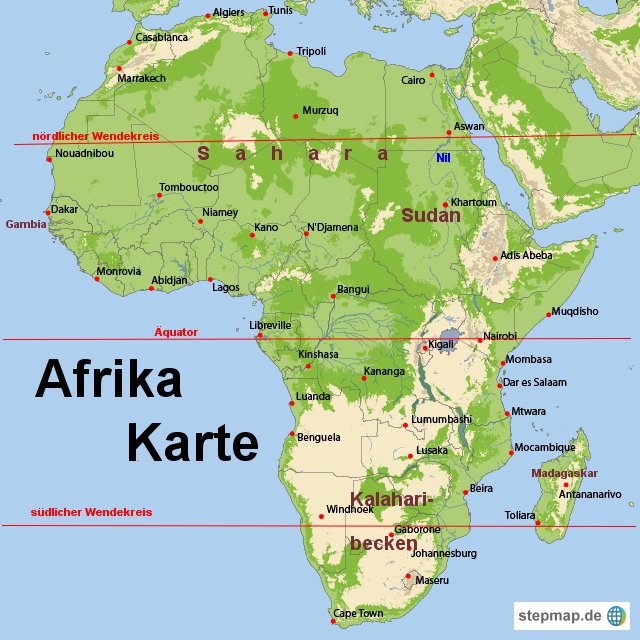
Africa map
stepmap.de/landkarte/afrika-karte-18439.png
In 1868/71 the explorer Prof. Dr. Georg Schweinfurth noticed some strange looking hunting dogs in their natural habitat in the Niam Niam Camp in Central Africa, in the area Bahr-el-Ghazal.
http://en.wikipedia.org/wiki/Bahr_el_Ghazal_River
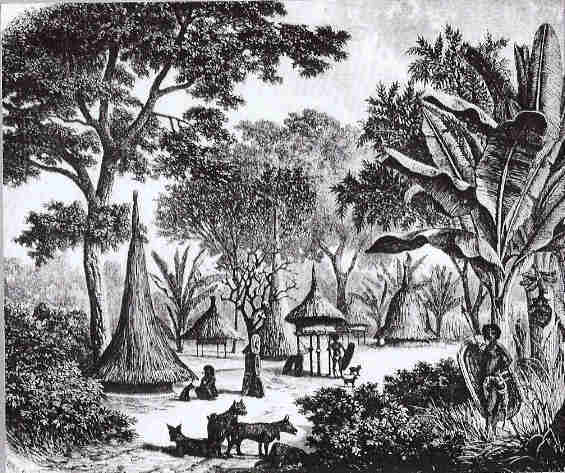
Azande Camp ( Niam Niam )Basenjis in their natural surroundings
1871 Georg Schweinfurth Im Herzen von Afrika
The drawing „Pond at Diamvonu“ shows Basenjis in their natural habitat in the Niam Niam Camp after their discovery by Dr. Georg Schweinfurth. His report report and this drawing are the first reliable information about Basenjis in recent times.
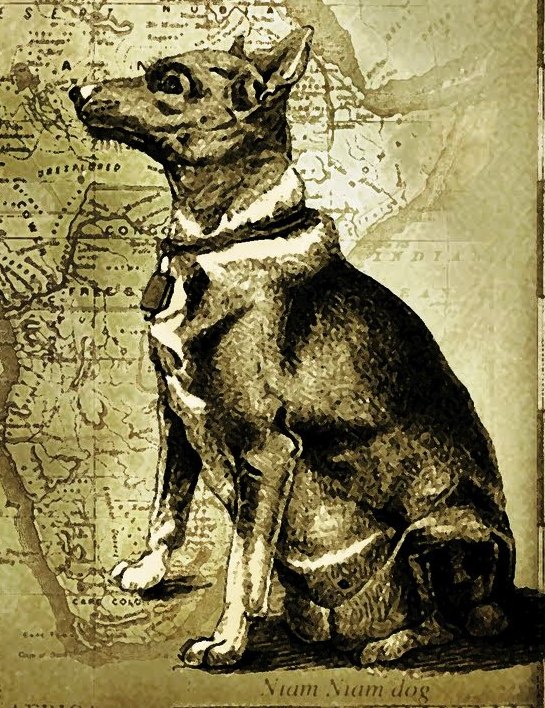
Niam Niam Dog
Native Basenjis ( Niam Niam dog ) became very seldom in their homeland
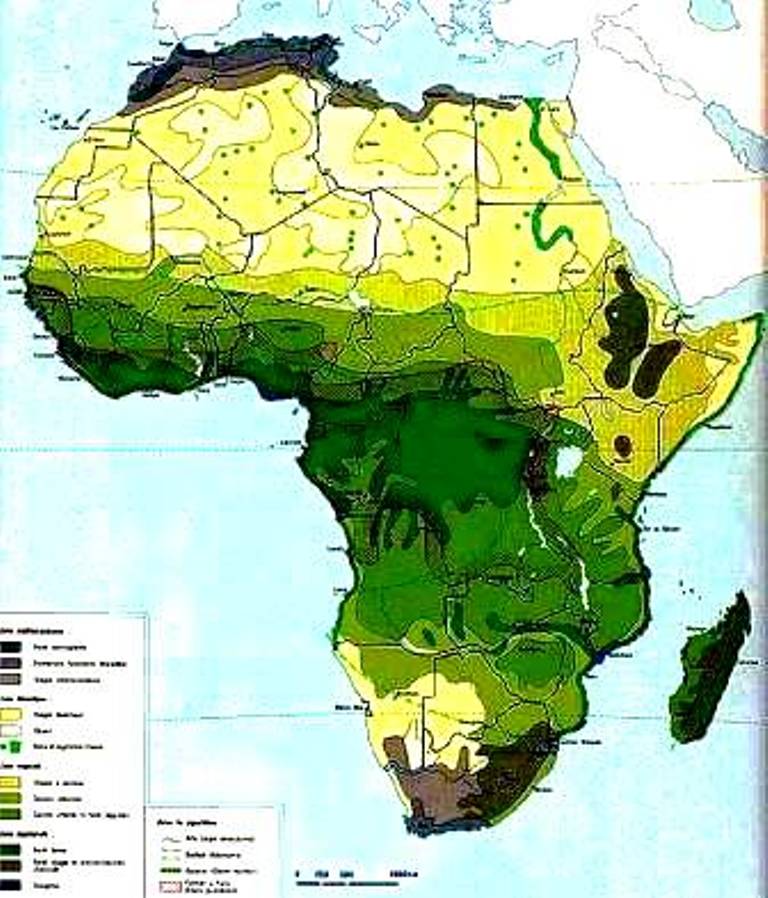
Vegetation Map Africa
Quelle: R. van Chi-Bonnardel, Grand atlas du Continent africain (Paris 1973).
Deep Green: Tropic Rainforest
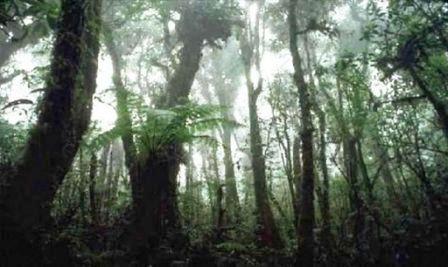
Basenjis inhabit two different climate zones, the savannah and the rain forest. The coat of Basenjis differs according to climate conditions. Some Basenjis develop a thicker fur than those who do not need it. Through targeted breeding, these differences unfortunately and gradually getting lost.
Savannah
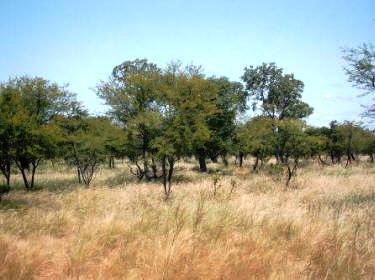
The White Nile runs through the Bahr-el-Ghasal region and forms the Sudd swamps. The Nile tributary Bahr al-Arab represents the northwestern part of the border to North Sudan. Sudan is characterized in the north by savannah and arid forests and in the south by the Ituri rain forest. The Azande mainly live on the riverbanks of the Ubangi and Uele in the Ituri rain forest. In both this areas Basenjis were discovered in the 19. century by Africa explorers. The savannah is a tropical ecosystem, characterized by open growth ( grass lands )and quite regularly spaced trees. They occupy the transition between the arid Passat winds area and the tropical rain forest region. As a result, the vegetation of the savannah is between the extremes of dessert and tropical forest. Because of the midyear rainfalls, Savannahs are a mixture of green vegetation in the summer and little growth during the arid times. Wikipedia
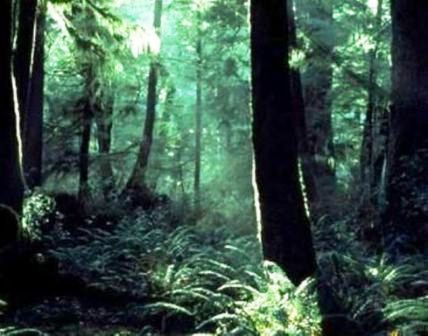
Rainforest
Evergreen tropical forest developed on all continents on both sides of the equator up to 10. degree of latitude, but, mainly in South America and Oceania, also beyond that. The largest contiguous area is the Amazonas region; it covers about half of all tropical rain forest. Other large rain forest are found in the Congo Basin and Indonesia. en.wikipedia.org/wiki/Ituri_Rainforest
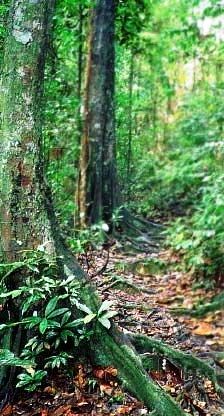
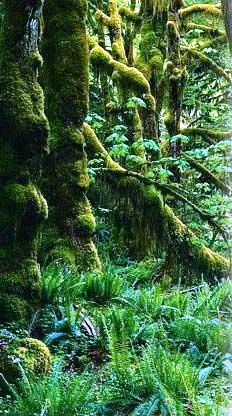
Natural environment is the Ituri Rainforest. The Rainforest is threatened.
You can help.
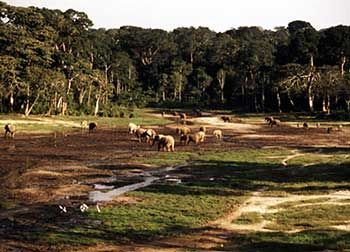
Dzanga Sangha Special Reserve
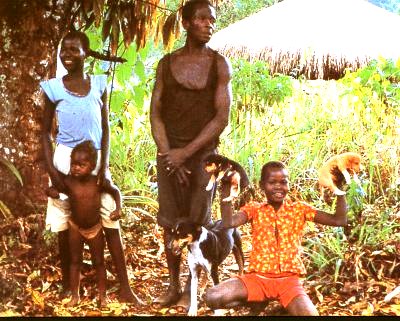
Basenji search. Did you find the Basenjis and one puppy ?
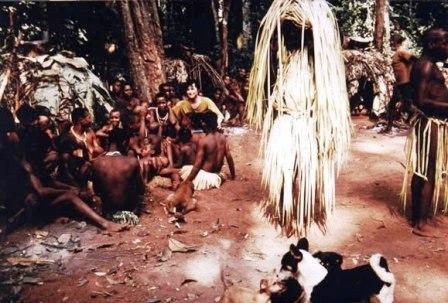
Basenjis were used by men as helpers and during a hunt occasionally are fed some unwanted bits of meat. They have to be able to independently take care of their food and survival.
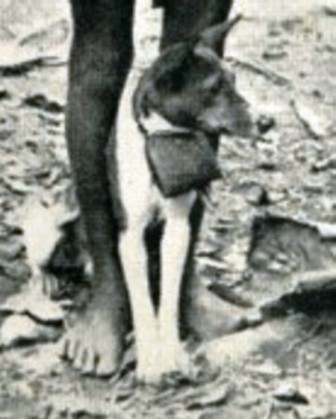
The dwarfs from the Congo Pygmies and Basenjis as hunting dogs
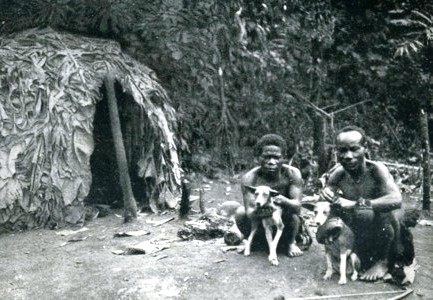
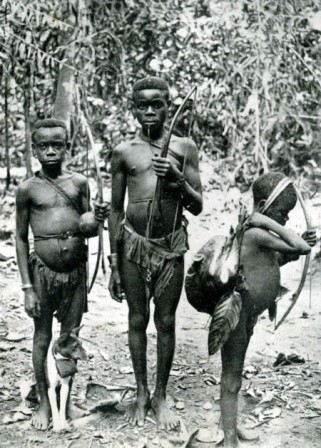
1930 Photo P. Schebesta
Tiki Tiki Photo The complete Basenji by Elspet Ford
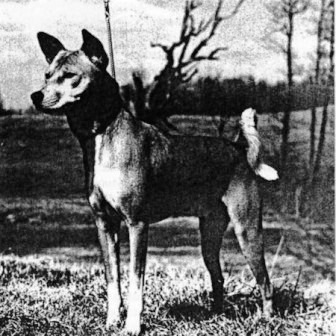
In 1956 obtained by Dr. Chapin from the pygmies of the Ituri Rainforest
1986
Expeditionen zu den Pygmäen am Kongo W. Uhl Vlg. Pietsch
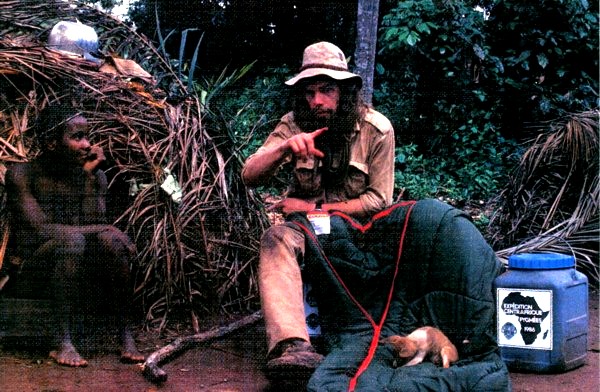
Pictures from Schensi Basenjis
Internet Foto
Internet Foto
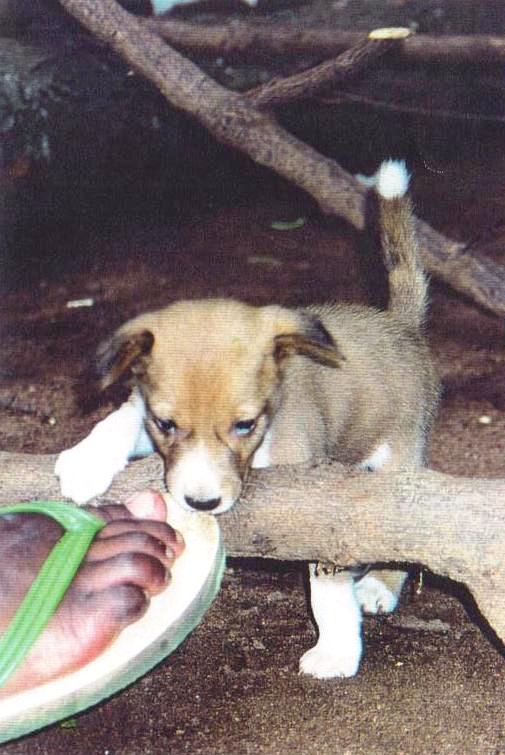
Basenji Schensi Puppies in Africa
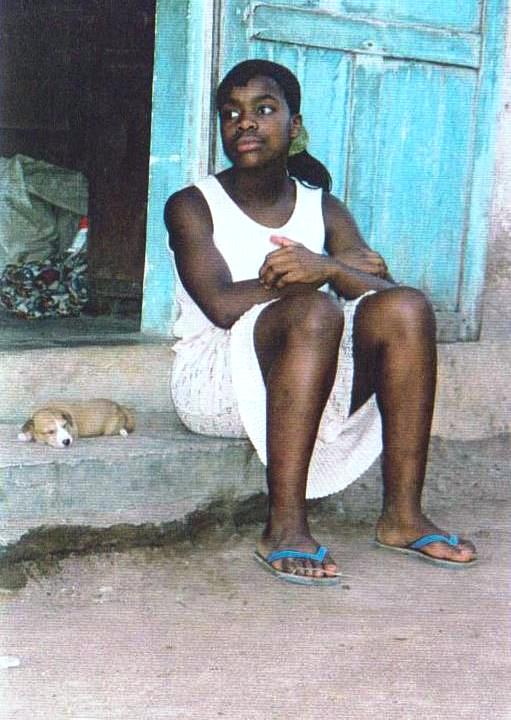
Foto A.Bachmann
1990 imported Schensi Basenjis from Togo of the Efe
Photos courtesy of Jiri Rotter
Basenji and a herdsman
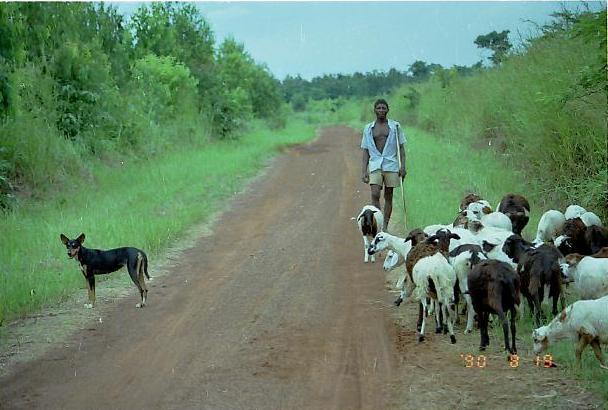
savannah hunting dogs with success
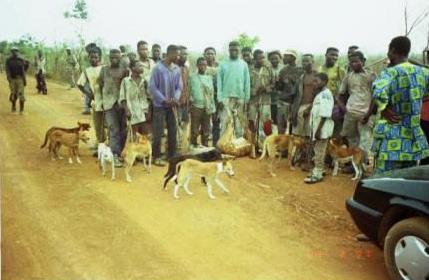
Hazda hunter,Basenji with hunting success
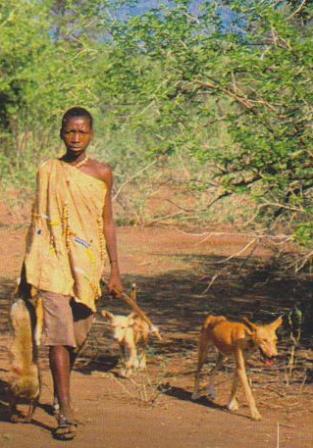
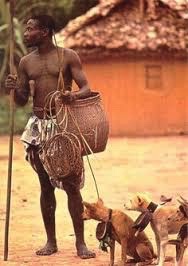
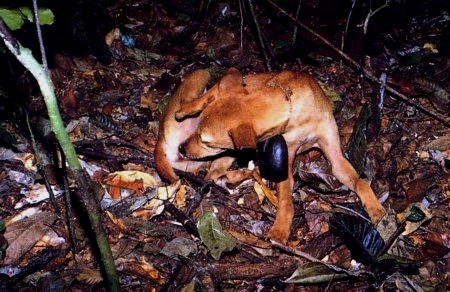
Basenji as helping hunting dog with wooden bells
1972 Photo Armin Heymer
Basenji and Efe pygmy
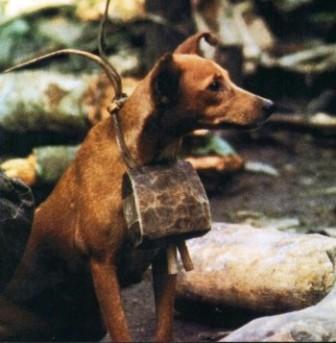
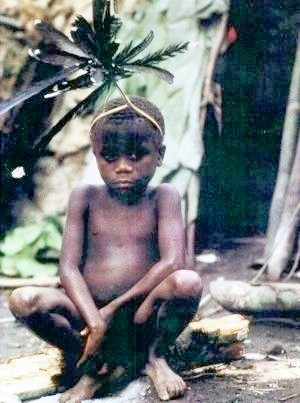
Photos courtesy William F Wheeler 1990
The breeding dog Basenji today worldwide in a new surrounding.
Basenjis have all instincts very well compatible for their natural homeland in freedom. But they are not very well conformist to high tech civilization. Cars, streetcars and train are no danger in their mind. Basenji History
Give your Basenji a chance to learn being accustomed to our civilization.
He still can provide his own food and find anything edible; look out for poison and spoiled food. Therefore it's so important to feed them appropriate natural food to the species. Basenjis learn very quickly to do what we want, but then often do as they like, because they are independent dogs . Take it easy and don’t worry. Start very early by training your Basenji and be consequent. In his natural surrounding the basenji is not accustomed to stay alone because he live beneath the people in freedom. Give the Basenji a chance to learn to cope with modern civilization. These intelligent dog need mental training and a lot of exercise. You should like to learn the basenji language, that makes the life with Basenjis easy going.
The world-famous Basenji expert Miss Veronica Tudor-Williams wrote an article (Journal of the Society for the Preservation of the Fauna of the Empire, Nr.54) on the Basenjis of Central Africa and called them a "living fossils". She wrote: "It would be a tragedy if these canines of such ancient lineage, having maintained their identity over numerous centuries, would now be lost to us forever as a consequence of expanding civilization".
I want to add, it is my concern that the Basenjis be not bred with purely optical fashionable or commercial goals in mind. The first must for the breeder is to have the health in mind.
It is our opinion that the BASENJI is perfect since thousand of years. Basenji Personality
Fula of the Congo Africa Import